

Why Do Seniors Experience So Many Changes?
Aging often brings changes that happen faster or feel more significant than at other stages of life. This includes shifts in health, cognitive or physical ability, home environment, and social circles. For residents in Plum, PA, factors like local weather, family migrations, or shifting household roles can also contribute. Understanding that these transitions are typical — not failures — helps inform patient, compassionate responses.
What Types of Change Affect Older Adults Most?
Seniors commonly confront changes that impact daily routines, such as:
- Moving from a longtime home to assisted living or a different residence
- Adjusting to new medical conditions or reduced mobility
- Changes in ability to drive due to safety guidelines or health issues
- Shifts in family dynamics, such as adult children moving away or loss of a spouse
- Adapting to the local climate’s snowy winters or muggy summers, which may limit mobility
Recognizing these specific transitions makes the challenges more understandable for residents and families.
How Can Seniors Cope With Moving or Downsizing?
Moving can be both physically and emotionally taxing. Many in Plum face downsizing after decades in family homes with familiar routines or treasured belongings. This process is easier when broken into steps:
- Prioritize sentimental and practical items that truly matter
- Involve family for decision support but allow the senior to lead choices
- Arrange frequent check-ins and visits after the move to keep connections strong
- Create familiar routines and set up comfortable spaces in the new environment, such as having a favorite chair by the window or continuing a morning crossword puzzle
- Remember that adjustment may take several months, not just weeks
Fears about “losing independence” are valid but can be eased with gentle reminders about new freedoms, like having meals prepared or less household maintenance to worry about.
What Helps With Changes in Social Circles or Loneliness?
Social adjustments may feel even more daunting than logistical ones. Friends may relocate or pass away, and visits from family can be less frequent if children live outside the local area. Building a new sense of belonging takes time, but there are supportive approaches:
- Seek out local groups, community events, or activity calendars — libraries, recreation centers, or faith communities often hold gatherings
- Encourage participation at a comfortable pace; regular attendance at even one activity can foster new relationships
- Use phone or video calls, when possible, to maintain distant family ties, especially during severe winter weather when travel is difficult
- Create small social rituals, such as a weekly lunch group or puzzle hour with neighbors
It’s common for seniors to fear being “left out.” These feelings are valid and worth discussing openly with trusted community members or staff.
How Does Health Change Impact Daily Life — and What Can Residents Do?
Health changes can affect everything: walking, eating, energy, or decision-making. Sudden events (like a fall), as well as gradual shifts (such as arthritis or memory changes), often force unplanned adjustments.
- Make the home or living space safer with grab bars, good lighting, and clear walkways, particularly during icy local winters
- Ask for input on daily routines, meals, and choices to keep the senior’s preferences central
- Maintain as much independence as possible in self-care, even if tasks take longer or need adaptive devices
- Stay engaged with favorite hobbies, even if they must be modified
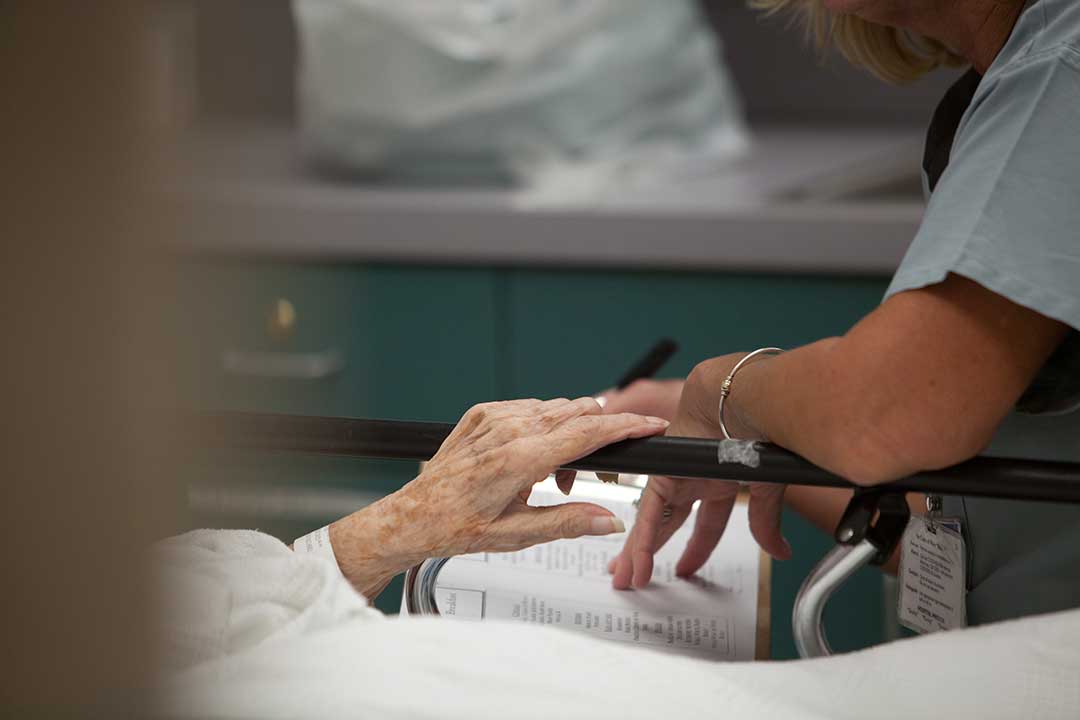
A common misconception is that any need for help means a total loss of autonomy. Many area residents find ways to remain actively involved in decisions about their care.
How Can Families and Friends Support Seniors Through Change?
Emotional support is as crucial as practical help. Family members and neighbors can make the biggest impact by:
- Listening regularly without jumping to solutions — simply hearing concerns can be reassuring
- Offering reassurance that feelings of grief, anger, or anxiety are normal during change
- Respecting seniors’ dignity and autonomy; avoid pushing unwanted changes
- Staying patient, especially if the person needs more time to accept a new situation
Local families sometimes overlook informal networks among neighbors, faith communities, or alumni groups. These often provide steady companionship, especially during seasons where trips outside the home are harder.
What Should You Do When Change Causes Anxiety or Depression?
Feeling overwhelmed, sad, or anxious during major transitions is common, but symptoms that persist or interfere with daily life should not be minimized. Warning signs might include withdrawal from favorite activities, loss of appetite, or pronounced mood shifts.
Residents and loved ones should consider discussing persistent symptoms with a physician or counselor. Some community health resources or support groups may also help—these are frequently accessible through public agencies or faith institutions.
What Are Simple, Everyday Steps That Foster a Positive Outlook?
Daily structure and small comforts help make new situations less daunting. Consider these simple habits that increase resilience:
- Keep a regular schedule for meals, rest, and social interactions
- Record thoughts or worries in a journal; this can give perspective over time
- Add enjoyable routines, such as morning walks (taking care in winter), birdwatching, or joining a craft group
- Use calendars or reminders for appointments and activities, helping to ground each day with a sense of purpose
Reminding oneself that adjustment periods have a beginning, middle, and end can make changes feel less permanent — and more like a new chapter to shape.
